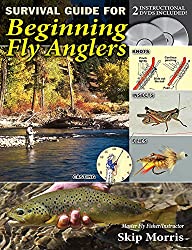
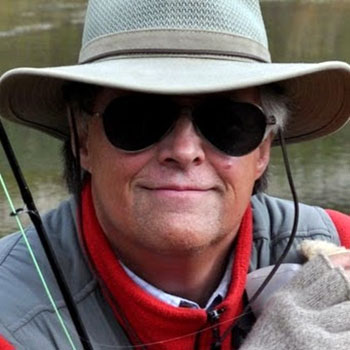
Skip Morris
Fly Fisher/Fly Tier/Author
There are few names in the world of fly fishing so widely known and solidly established as Skip Morris.
Skip has published twenty fly-fishing books, including the genuine best-seller (currently in its 22nd printing) Fly Tying Made Clear and Simple. He has also authored many other books including: Fly Tying made Clear and Simple II, Advanced Techniques, The Art of Tying the Nymph, The Art of Tying the Dry Fly, The Art of Tying the Bass Fly, Tying Foam Flies, Concise Handbook of Fly Tying, The Custom Graphite Fly Rod, Morris & Chan on Fly Fishing Trout Lakes (with Brian Chan), Waterproof Fly Fisher's Guide: Western River Hatches, Morris on Tying Flies, Trout Flies for Rivers and his most recent book 365 Fly-Fishing Tips for Trout, Bass, and Panfish. If that isn't enough he's also written over 300 magazine articles on fly fishing in many different publications.
Visit Skip at www.skip-morris-fly-tying.com.
Listen to Skip Morris's Shows...
Largemouth Bass and Bugs
Skip Morris shares his secrets of finding and catching big largemouth bass as well as tips on tying bass bugs and flies.
Fly Fishing Tips for Trout, Bass and Panfish
Over the many years that Skip Morris has fished and written about fly fishing he's uncovered many nuggets of information that have helped him and others to catch more fish. Whether it's trout, bass or panfish Skip has something to share that will improve your odds. Listen to this podcast and up your game!
500 Trout Streams
What happens when a man who’s fly fished for over fifty years, who’s graduated with a university degree in English, who’s published 19 print-and-paper books on fly-fishing topics with three publishers, decides to spend three years writing his first book of essays about his beloved sport? Can you imagine? Join us to learn how Skip came to write his latest book 500 Trout Streams and hear a few of his favorite stories.
Just a few of the questions asked and answered during the interview:
- What was the first writing you got published?
- Do you make notes about your fishing trips to use later in your writing?
- Do you have a writing routine, if so what is it?
- What prompted the writing of 500 Trout Streams?
- What kind of research do you do and how long do you spend researching?
- Is there still a market for long-form print pieces?
- Did you really fish 500 trout streams?
- What is your favorite book on fly fishing by another writer?
- What authors do you look to for their writing skills and style?
- Will you be writing more essays in the future?
Salmonflies & Golden Stones
Skip Morris, author of seventeen books on fly fishing, will guide us through the biology and how to fish the salmonfly and golden stonefly. Where, when and how will be covered in depth so the next time you have the opportunity you'll be well prepared to catch more fish.
Fly Tying Made Clear and Simple
Skip Morris is a full-time fly fishing author and speaker who has published 22 books and over 350 magazine articles on fly fishing and fly tying. Skip makes fly tying so simple anyone can do it. If you’re interested in fly tying but haven’t given it a try yet listen in and Skip will provide all the information you need to get started and to be successful.
Just a few of the questions asked and answered during the interview:
- How did you get started tying flies?
- Is it more expensive to tie your own flies than to buy them?
- What tools do I absolutely need to get started tying flies?
- What should I look for in a good vise?
- What are the important features of a good bobbin?
- What are the basic materials needed to get started?
- What is the difference between the different brands of hooks?
- What is your go-to thread material?
- What sizes of thread should I get to begin with?
- What do the different grades of capes mean?
- Do you weight your flies or use other methods to get deeper?
- Do you think adding purple to a dry fly marks it fish better?
- What tips do you have for tying very small flies?
Imposters - The Flies We Fish And The Fish They Catch
Skip and Carol Ann Morris are well known in the fly fishing world and they have stories to tell... Their latest book Imposters takes us on a trip of colorful fly fishing experiences blending stories, insights, history and instruction all based on those imposters at the end of our lines. Join us on what will be a fun as well as enlightening episode as they share those experiences with us.
Just a few of the questions asked and answered during the interview:
- How did the idea come about for you book Imposters and how did you decide to work together on it?
- The title of the book is Imposters. At the most basic level, what are we really asking a fish to believe when we put an artificial fly in front of it?
- Could you provide some insight into how flies which appear to represent nothing in nature seem to catch fish like crazy?
- Fly tiers can become obsessed with making a fly look exactly like the insect they're imitating. How much does anatomical accuracy really matter to the fish?
- The two of you checked the dimensions of your fly drawings with a draftsman's divider so the tails, wings, hackles, thoraxes, and other components would have correct proportions. Why was that level of accuracy important to you, and how difficult is it to draw a fly accurately enough that a fly tier could actually learn from the illustration?
- Do you find that when drawing a fly it forces you to notice details about its proportions, materials, or construction that even the person tying it might overlook?
- In "The Promise, the Beaver, and the Branch," an apparently insignificant piece of water turns out to be much better than you expected. What can that experience teach us about learning to read water without prejudging it?
- Your chapter-opening illustrations don't simply show flies; they often combine the fly with fish, insects, anglers, wildlife, or scenes from the essay. For example, the opening illustration for "The Promise, the Beaver, and the Branch" brings together the trout, beaver, insect, branch, and fly. How do you decide which elements of Skip's story should become the visual story?
- Carol Anne because you're illustrating something Skip knows intimately as both a tier and fisherman, what is the collaboration like? Does Skip ever look over your shoulder and say, "That hackle is too long," or do you have artistic veto power?
- I am a new fly tyer, what pattern is a good start for me for an imposter pattern?
- The Guest Box includes everything from chironomid pupae to Booby Flies and your Predator. Is it more useful for an angler to organize a fly box around specific insects or around how and where the flies will be fished?
- Carol Ann you've spent a lot of time fishing with Skip as well as illustrating his books. Has being an artist changed the way you observe things when you're on the water—the insects, fish, light, vegetation, or other details that the rest of us might walk right past?
- How should an angler change the fly and presentation when trout appear to be taking insects trapped in or just below the surface film?
Skip has written and published over 200 articles on fly fishing and fly tying (along with a smaller number on jazz guitar), which have appeared in the following magazines:
Fly Rod & Reel, Fly Tyer, Fly Fishing and Tying Journal, Warmwater Fly Fishing, Fly Tying, American Angler, Salmon Trout Steelheader, Western Outdoors, Fly Fisherman, Fly Fusion, Midwest Fly Fishing, Hatches and Just Jazz Guitar.
The fall 1996 issue of Fly Tying magazine contained a feature article about Skip titled "Skip Morris, the Man in the Painting."
Skip's original fly patterns are tied and distributed by the Solitude Fly Company of Alhambra, California. Their current catalog contains around 30 of Skip's patterns, many in several sizes. "The Fly Shop" in California—one of the major fly-fishing mail-order houses—carries several of Skip's patterns in its catalog and on its website.
He is the instructor on six videos and has worked in radio and television as both a fly-fishing host and celebrity guest.
He lives with his wife, Carol, amid the rivers and lakes and saltwater beaches of Washington State's wild and magnificent Olympic Peninsula.