Steve Culton
Fly Fisher, Guide, Fly Tier, Author, Instructor
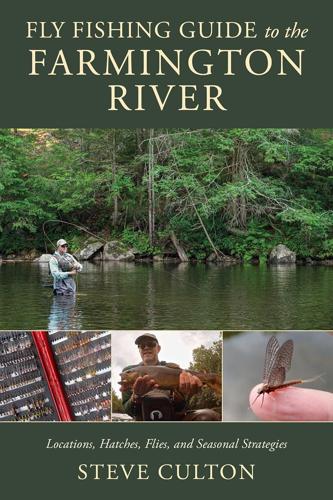
Steve Culton has been writing about fishing since the first grade when he composed an essay about an outing with his father. Since then, Steve’s work has appeared in magazines – remember those? – like Field & Stream, American Angler, Fly Fish Journal, The Drake, Flyfishing & Tying Journal, Eastern Fly Fishing, Fly Rod & Reel Online, and Mid Atlantic Fly Fishing Guide. He is a member of the Regal Vise Pro-Staff, a J.Stockard Pro Tyer, and his first book, Fly Fishing Guide to the Farmington River, was recently published by Stackpole Books. Steve wears many hats: fly fishing instructor, guide, speaker, fly tyer, freelance writer, husband, father.

Listen to Steve Culton's Show...
Fly Fishing the Farmington River: Trout, Hatches & Tactics
Connecticut’s Farmington River offers outstanding year-round trout fishing—but consistently catching its trout requires understanding the river, its hatches, and how fish respond to changing conditions. Steve Culton joins us to share his hard-earned knowledge of this celebrated fishery. We’ll explore where and when to fish, seasonal strategies, important hatches, productive flies, and techniques ranging from dry flies and nymphs to wet flies and streamers. Whether it’s your first trip or your fiftieth, Steve will help you fish the Farmington more effectively.
Just a few of the questions asked and answered during the interview:
- How did the Farmington evolve from what it was 75 years ago into the blue-ribbon trout fishery we know today?
- How did the construction of the Hogback and Colebrook dams change the Farmington, and why was the creation of this tailwater so important to its trout fishery?
- How did the Wild and Scenic designation come about, and what does that protection mean for the river and for anglers today?
- What makes the Farmington different from other major trout rivers in New England?
- Can you give us a tour of the river from the dam downstream and explain how the character of the river changes along the way?
- Is the Farmington wade friendly?
- What are different management areas and sections, and what does a visiting angler need to understand about each one?
- If I only had two or three days to fish the Farmington, which portions of the river would you suggest I concentrate on to experience what makes this fishery special?
- The Farmington contains pools, riffles, runs, pocket water, braids and side channels. Which types of water tend to be overlooked, and where might anglers be walking past good trout?
- How does the Still River influence the Farmington's temperature, flows, hatches and fishing as you move downstream?
- The Farmington receives considerable fishing pressure. How should an angler adjust where, when and how they fish when the popular areas are crowded?
- If you had to identify the most important hatches that a first-time Farmington angler should know, which ones would make your list?
- If you were putting together a basic Farmington fly box for someone visiting the river, what flies and sizes would you consider essential?
- When you're fishing dry flies to selective fish, what presentation mistakes do you see anglers make most often?
- When are wet flies particularly effective on the Farmington, and how do you fish a team of wets during a hatch?
His fly fishing interests include trout, stripers, steelhead, smallmouth bass, and small stream native brook trout. Whether he’s greased-line fishing 12” flatwings for stripers with a 5 weight rod and a 9 weight line or swinging old Yorkshire soft hackles for trout, one thing is certain: Steve likes to fish when, where, and how most other people don’t. You can see more of his work on his
website, currentseams.com, or on Instagram at stevecultonflyfishing.