Covering fish from Trout to Tarpon, from tying flies to casting them - you'll find it all right here on Ask About Fly Fishing - the best fly fishing podcast for learning more about fly fishing.
Want to Catch More Fish? Just listen to any of our in-depth podcasts - we have over 446 shows in our Archive!
From Angler to Outfitter: Building a Life as a Fly Fishing Guide
Coleman Savage
Fly Fisher, Fly Tier, Guide
What does it really take to turn a passion for fly fishing into a profession? Montana guide and outfitter Coleman Savage shares his journey from fly-shop jobs to guiding—and how Guiding for the Future helped accelerate his growth. Discover why becoming a great guide requires far more than catching fish, and how knowledge of river ecology, conservation, water rights, stewardship, client relationships, and professionalism can transform a guide’s career and their connection to the waters they depend on. Join us to learn about his journey.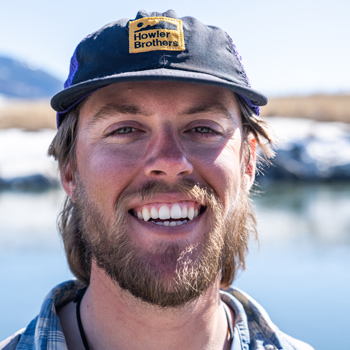
Just a few of the questions asked and answered during the interview:
- How did your early experiences in Virginia and the Bahamas shape your connection to fishing and eventually lead you toward becoming a professional guide?
- Before guiding became your profession, when did you first begin thinking, “I could actually make a living doing this?”
- You worked several fly-shop jobs before you began guiding in 2021. What did working in fly shops teach you that helped prepare you for guiding?
- When you got started, did you have another job, or did you go all in on guiding?
- What was your first season as a professional fly fishing guide really like, and what surprised you most about the job?
- Many anglers probably imagine guiding as spending every day fishing. How different is the reality of being a guide from what people imagine it to be?
- When you were starting out, who were the guides or mentors who helped you most, and what did you learn from watching experienced professionals work with clients?
- How long did it take before you began feeling like a competent professional guide rather than simply a good angler taking people fishing?
- Do most guides prefer that clients bring their own rods, reels, and flies, or use guide-provided equipment?
- You discovered Guiding for the Future through the Fishing Outfitters Association of Montana. What caught your attention about the program, and why did you decide to participate so early in your guiding career?
- Before Guiding for the Future, how much did you think about subjects such as river ecology, hydrology, water rights, conservation law, and the history behind public waterways?
- If someone listening to us today is a good fly fisher who is thinking about becoming a guide, what should they understand before deciding to make that leap?
More about Coleman Savage...
Listen to the Show...
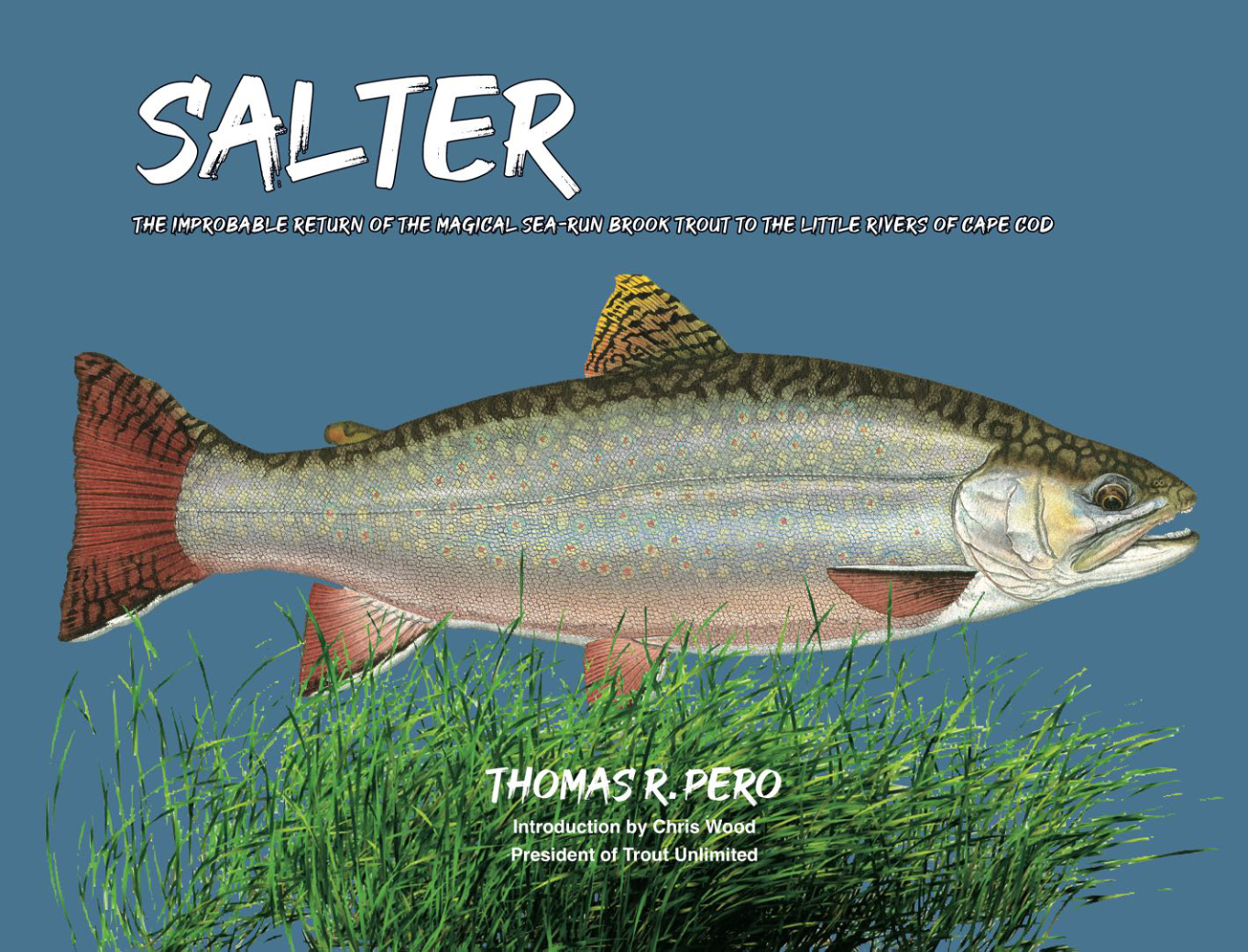
Salters: The Remarkable Return of Sea-Run Brook Trout
Tom Pero
Fly Fisher, Author, Publisher
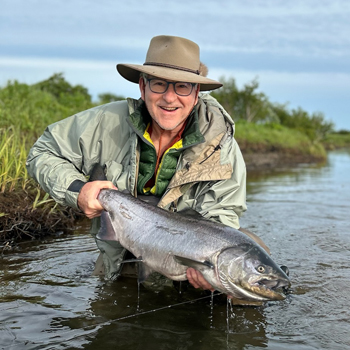
Once found in coastal streams throughout New England, sea-run brook trout, known as “salters,” nearly disappeared as their fragile habitats were altered and degraded. Today, these remarkable native fish are making a comeback. Author Tom Pero takes us into the hidden world of salters, from their fascinating life history and migrations to the Cape Cod streams they call home. Join us as we explore what scientists have learned about these elusive trout and meet the dedicated riverkeepers whose decades of restoration work prove that, given a chance, wild trout and wild rivers can recover.Ask Tom Pero your most important questions on sea-run brook trout...
Register for our free drawing.
Add event to your calendar


More about Tom Pero...
Miss a Show? - Browse our Show Archive!
Over 446 Shows for you to listen to!


-
 Fly Fishing the Bighorn River
Michael Mastrangelo is a professional guide on the Bighorn River in Montana, which is considered one of the finest rivers in the world for fly fishing. Listen it to hear Michael share his secrets about fly fishing this incredible fishery.
 Topwater to Bottom: Cracking the Code on Smallmouth Bass
Smallmouth bass aren’t just aggressive they’re strategic. Jake Villwock breaks down how to consistently catch more fish by targeting all three feeding zones: topwater, mid-column, and bottom. He reveals how modern fly design—from foam bugs to articulated baitfish and lifelike crayfish has transformed the game. Whether you’re chasing explosive surface eats or dialing in subsurface tactics, you’ll learn how to fish smarter, adapt faster, and unlock the full potential of smallmouth on the fly.
Just a few of the questions asked and answered during the interview:
- What first drew you to smallmouth bass on the fly, and what keeps you obsessed with them today?
- What are good weights of fly lines and leaders for both topwater and wet fly fishing for smallmouth?
- What size leader do you use?
- What are the biggest mistakes anglers make when fishing surface flies for bass?
- For anglers new to bass on the fly, what are the top three surface flies they should always carry?
- Your book mentions how modern topwater flies have evolved from bulky deer hair bugs to more refined foam and articulated patterns. What drove that evolution?
- What about a dropper off a popper suspended 18”-24”. What depth of water would that be successful
- What conditions create the perfect topwater smallmouth bite?
- How important is observation when determining what bass are feeding on at the surface—mayflies, frogs, damsels, baitfish, cicadas, and so on?
- What are your favorite retrieves for poppers, sliders, and waking flies?
- Moving into the mid-column zone, can you explain what a “swim fly” really is and why this style has become so effective?
- When fishing mid-column flies, how do you decide between floating, sink-tip, and intermediate lines?
- Crayfish patterns are a major focus in your book. What makes crayfish such an essential forage for bass?
- Do you use a lot of crayfish patterns, and what about sculpin patterns?
- Looking ahead, where do you think smallmouth fly design and tactics are headed over the next decade?
 Imposters - The Flies We Fish And The Fish They Catch
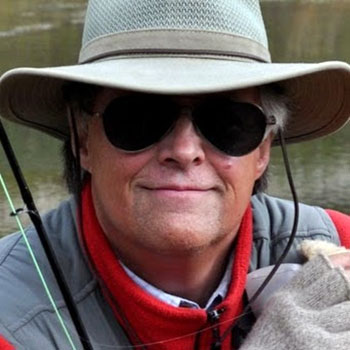
Skip and Carol Ann Morris are well known in the fly fishing world and they have stories to tell... Their latest book Imposters takes us on a trip of colorful fly fishing experiences blending stories, insights, history and instruction all based on those imposters at the end of our lines. Join us on what will be a fun as well as enlightening episode as they share those experiences with us.
Just a few of the questions asked and answered during the interview:
- How did the idea come about for you book Imposters and how did you decide to work together on it?
- The title of the book is Imposters. At the most basic level, what are we really asking a fish to believe when we put an artificial fly in front of it?
- Could you provide some insight into how flies which appear to represent nothing in nature seem to catch fish like crazy?
- Fly tiers can become obsessed with making a fly look exactly like the insect they're imitating. How much does anatomical accuracy really matter to the fish?
- The two of you checked the dimensions of your fly drawings with a draftsman's divider so the tails, wings, hackles, thoraxes, and other components would have correct proportions. Why was that level of accuracy important to you, and how difficult is it to draw a fly accurately enough that a fly tier could actually learn from the illustration?
- Do you find that when drawing a fly it forces you to notice details about its proportions, materials, or construction that even the person tying it might overlook?
- In "The Promise, the Beaver, and the Branch," an apparently insignificant piece of water turns out to be much better than you expected. What can that experience teach us about learning to read water without prejudging it?
- Your chapter-opening illustrations don't simply show flies; they often combine the fly with fish, insects, anglers, wildlife, or scenes from the essay. For example, the opening illustration for "The Promise, the Beaver, and the Branch" brings together the trout, beaver, insect, branch, and fly. How do you decide which elements of Skip's story should become the visual story?
- Carol Anne because you're illustrating something Skip knows intimately as both a tier and fisherman, what is the collaboration like? Does Skip ever look over your shoulder and say, "That hackle is too long," or do you have artistic veto power?
- I am a new fly tyer, what pattern is a good start for me for an imposter pattern?
- The Guest Box includes everything from chironomid pupae to Booby Flies and your Predator. Is it more useful for an angler to organize a fly box around specific insects or around how and where the flies will be fished?
- Carol Ann you've spent a lot of time fishing with Skip as well as illustrating his books. Has being an artist changed the way you observe things when you're on the water—the insects, fish, light, vegetation, or other details that the rest of us might walk right past?
- How should an angler change the fly and presentation when trout appear to be taking insects trapped in or just below the surface film?
 Golden Trout of the High Sierra
Ralph Cutter spent his nine month honeymoon hiking through the Sierra with his new wife Lisa going through nearly every pass and fishing many of the waters. The Sierra range is the home of the golden trout, California's state fish, but it's not easy to fish for them. Listen in to hear Ralph tell his secrets about fly fishing the Sierra for the golden trout.
 Fly Fishing The Island of Hokkaido, Japan
Rick Wallace is a well-traveled Australian fly fisher who lived and fished the island of Hokkaido, Japan extensively for four years. Unknown to many fly fishers taimen, rainbow trout, char and salmon are all prime targets on the island of Hokkaido. Taimen can get as large as one meter! Listen in to learn more about this fishery and find out where, when and how to fish this northernmost island in Japan.
Just a few of the questions asked and answered during the interview:
- What fly fishing opportunities are there on the island?
- Where is the best place to stay on Hokkaido?
- What is the best time of year to fish on the island?
- Is the taimen found on Hokkaido similar to those in Mongolia?
- What is the best way to fish for taimen?
- What flies do you use for taimen?
- Where do you fish for rainbows and char?
- When is the best time to fish for salmon?
To hire local Japanese guides for fishing on Hokkaido visit Trout & King.
 Fly Fishing the Green River
Kevin Clegg, a professional guide, has been guiding on the Green River in Utah for over 20 years. His knowledge of this exquisite fishery is deep and wide. Outstanding fly fishing and scenery make this fishery one for your bucket list. Join us as Kevin shares his secrets about this great piece of water.
 Bowfin, Gar, Pike, Trout & More: Cracking the Code on Lake Champlain’s Fly Fishing Giants
Lake Champlain may be one of the most diverse fly-fishing waters in North America, and it remains largely underexplored by fly anglers. Professional angler Drew Price breaks down how to target the lake’s incredible mix of species—from explosive bowfin and prehistoric longnose gar to northern pike, bass, carp, freshwater drum, and even salmonids. Drew shares practical strategies on seasonal movement, sight-fishing tactics, fly selection, and reading complex habitat across this massive fishery. If you’re ready to go beyond trout and discover a truly wild, multi-species fly-fishing experience, join us and open your eyes to what Lake Champlain really offers.
Just a few of the questions asked and answered during the interview:
- Lake Champlain has a long and complex history—can you give us a brief overview of how the lake formed and how glacial forces shaped what we see today?
- What are the major geographic regions or “zones” of Lake Champlain, and how does fishing change as you move between them?
- Lake Champlain experiences strong seasonal changes—ice cover, spring runoff, summer stratification. How do these seasonal cycles impact fish distribution and angling strategy?
- What are the top species that fly fishers are interested in fishing for?
- What are the best seasons and water temperatures for fly fishing smallmouth bass on Lake Champlain?
- Which shallow habitats—bays, weed beds, marshes—produce the most consistent largemouth action?
- Where do pike stage during spring, summer, and fall, and how shallow do they really get?
- Is carp fishing on Champlain primarily a wading game, a boat game, or both?
- Where do bowfin typically hold in Lake Champlain, and what habitats should fly anglers focus on?
- When are gar most visible and accessible to fly anglers on Lake Champlain?
- Are drum a target species or more of an opportunistic catch while carp fishing?
- What fly patterns best match the forage base for landlocked salmon in the lake?
- Given all the species available to a fly fisher what are your recommendations on planning a trip to Lake Champlain?
- If an angler wants to target multiple species what would you suggest?
 Crappie Fly Fishing
Terry Wilson and his wife Roaxanne have explored the life of the crappie and found many good things about a fish that hasn't got much respect in the past. Crappie are voracious feeders and strong fighters and you can fish for them year round. Listen in to hear about crappie behavior, habits, how to catch them and what flies to use.
 Spring Creek Strategies
Mike Heck, a professional guide and master of spring creek fly fishing, shares the tactics and techniques he uses everyday to catch tough, selective trout in these waters.
Largemouth Bass and BugsSkip Morris shares his secrets of finding and catching big largemouth bass as well as tips on tying bass bugs and flies.
 Sodium Free Stripers
Henry Cowen has been pursuing striped bass for over 30 years in both salt water and fresh water. Join us to find out how Henry finds, hooks and lands these freshwater giants.
 A Systematic Approach to Nymphing
Duane Redford developed a systematic approach to nymphing so that as a guide he could hook his clients up with fish even in the most harsh and competitive environments. Learn his step-by-step methods for getting the most out of nymphing.
 Colorado’s Hidden Gem: The Rio Grande on the Fly
Tucked away in Colorado’s San Juan Mountains, the Rio Grande River winds through the breathtaking San Luis Valley—and with it, some of the finest fly fishing you've never heard of. Guide Presley Garcia takes anglers on unforgettable floats in search of wild brown and rainbow trout, surrounded by stunning high-country scenery. Join us as Presley shares his knowledge of this hidden gem, revealing the tactics, timing, and magic that make the Rio Grande a must-fish destination.
- What makes the Rio Grande in Colorado such a special place to fly fish for trout?
- Can you describe the different sections of the Rio Grande that you guide—upper, middle, and lower—and how each one fishes?
- How does the Rio Grande differ from more popular Colorado rivers like the Arkansas or the Gunnison?
- What kind of access is available for DIY anglers, and how important is a boat for covering water?
- Are there areas on the Rio Grande that you can walk and wade fish?
- What’s your favorite season to fish the Rio Grande, and why?
- What are the most significant insect hatches anglers should look out for on the Rio Grande?
- How does the fishing change from spring to fall on the Rio?
- Can you talk about the famous salmonfly hatch—when it happens and how to fish it?
- How do you manage drifts and casting angles when fishing from a raft or drift boat on this river?
- When streamer fishing from a boat, what techniques do you teach your clients for covering structure?
- How do trout position themselves during different flow conditions or times of day?
- What challenges do anglers typically face when fishing the Rio Grande for the first time?
- What’s one of your most memorable days guiding on the Rio Grande?
 Golden Mahseer
Misty Dhillon had been guiding and traveling in Pakistan, India, Nepal, Bhutan, and Myanmar since 1994 in search of Golden Mahseer. These fish are a highly evolved, bio-indicator fish species that swim in rivers across the rugged Himalayan foothills. Listen in and learn about this incredible fish and what it takes to bring one to the net.
 Bahamas Bonefish
Oliver White has fished all over the world for many exotic species but his home turf in the Bahamas is still where he is most comfortable. The flats of the Bahamas have always been known for outstanding bonefishing and Oliver knows it well. Join us to learn the ins and outs of fly fishing the Bahamas for bonefish.
Learn more about fly fishing and listen to our podcasts by these top experts...
 Copyright © 2026 Ask About Fly Fishing | As an Amazon Associate we earn from qualifying purchases through links from this website.